





Effective Strategies for Construction Management in High-Rise Projects in India and the Gulf

High-rise construction projects in India and the Gulf region present unique challenges that demand careful planning and management. These projects often involve complex logistics, tight deadlines, and diverse teams working under varying environmental and regulatory conditions. Managing such projects effectively requires a clear strategy that addresses these challenges while ensuring safety, quality, and timely delivery.
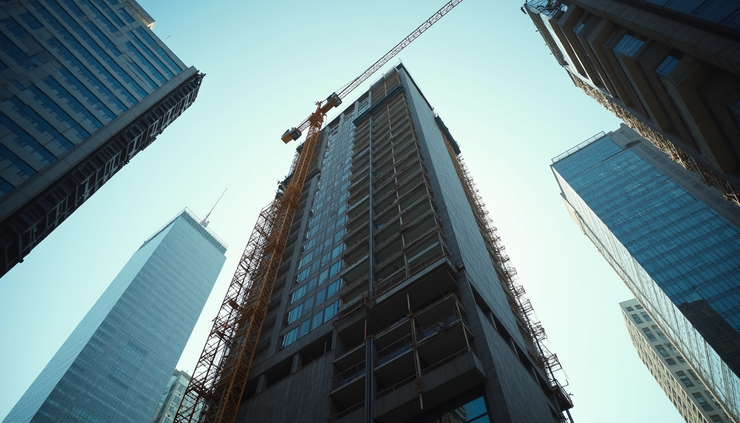
Understanding the Challenges of High-Rise Construction
High-rise buildings require coordination among many stakeholders, including architects, engineers, contractors, and suppliers. In India and the Gulf, factors such as extreme weather, labor diversity, and rapid urban growth add layers of complexity. For example, the Gulf’s hot climate demands careful scheduling to avoid heat-related delays, while India’s dense urban areas require innovative solutions for material storage and transport.
Safety is a critical concern. Working at great heights increases risks, so construction managers must enforce strict safety protocols and continuous training. Delays in material delivery or unexpected site conditions can also disrupt progress, making contingency planning essential.
Planning and Scheduling for Success
A detailed project plan forms the backbone of effective construction management. This plan should include:
Clear timelines for each phase of construction
Defined roles and responsibilities for all team members
A realistic budget with allowances for unexpected costs
Strategies for procurement and supply chain management
In both India and the Gulf, scheduling must consider local holidays, weather patterns, and labor availability. For instance, scheduling heavy outdoor work during cooler months in the Gulf can improve productivity and safety.
Regular progress reviews help identify bottlenecks early. Using simple, clear communication tools ensures everyone stays informed and aligned with project goals.
Managing Resources and Workforce
High-rise projects demand a skilled and well-coordinated workforce. Construction managers should focus on:
Recruiting workers with relevant experience and training
Providing ongoing safety and skills training
Organizing teams to maximize efficiency and minimize downtime
Ensuring proper equipment maintenance and availability
In India, the workforce often includes a mix of local and migrant laborers, which requires attention to language barriers and cultural differences. In the Gulf, many workers come from different countries, so clear communication and fair labor practices are vital.
Material management is equally important. Timely delivery and proper storage prevent damage and loss. For example, storing steel and concrete components in covered areas protects them from weather damage, which is crucial in humid or rainy seasons.
Quality Control and Compliance
Maintaining high quality throughout the construction process is essential to avoid costly rework and ensure building safety. Construction managers should implement regular inspections and testing at every stage. This includes checking structural elements, electrical systems, and finishing work.
Compliance with local building codes and regulations is mandatory. In India and the Gulf, these codes can vary significantly, so managers must stay updated and work closely with local authorities. For example, fire safety standards in the Gulf often require specific materials and design features that differ from Indian regulations.
Communication and Collaboration
Effective communication among all parties is key to managing complex projects. Construction managers should establish clear channels for reporting issues, sharing updates, and making decisions. Regular meetings, both on-site and virtual, help keep everyone on the same page.
Collaboration tools that are easy to use and accessible to all team members improve coordination. For example, daily briefings can highlight immediate tasks and safety reminders, while weekly meetings can focus on progress and upcoming challenges.
Adapting to Local Conditions
Understanding local conditions is crucial for success. In the Gulf, extreme heat and sandstorms require flexible work hours and protective measures. In India, monsoon seasons can halt outdoor work, so managers must plan indoor tasks or alternative activities during these periods.
Cultural awareness also plays a role. Respecting local customs and holidays fosters goodwill and smoother operations. For example, scheduling work around major festivals in India helps maintain worker morale and attendance.
Embracing Innovation Without Overcomplication
While technology can support construction management, relying solely on complex systems can create confusion. Instead, managers should focus on clear processes and practical tools that everyone understands. Simple checklists, visual progress boards, and straightforward reporting methods often prove more effective than complicated software.


Comments